1884
Deposit found
Railroad construction exposes the limestone bed around the town of Phenix.
Phenix Marble
Napoleon Gray and Fleuri from the historic quarry at Phenix — stocked on our floor in Ottumwa and fabricated by Millennium.
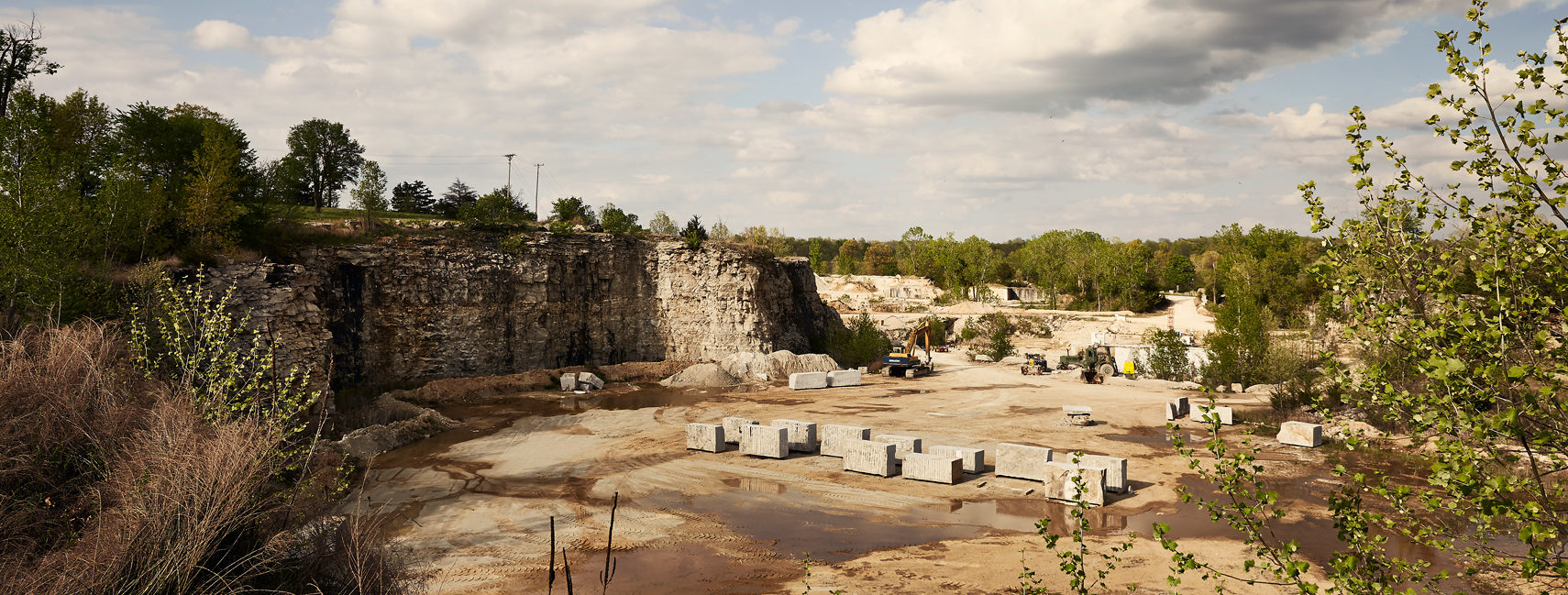
The quarry
In 1884, railroad blasting in Greene County, Missouri exposed the stone deposit that would become Phenix Marble. By 1905, polished marble from the quarry was being shipped nationwide for use in banks, hotels, museums, and public buildings.
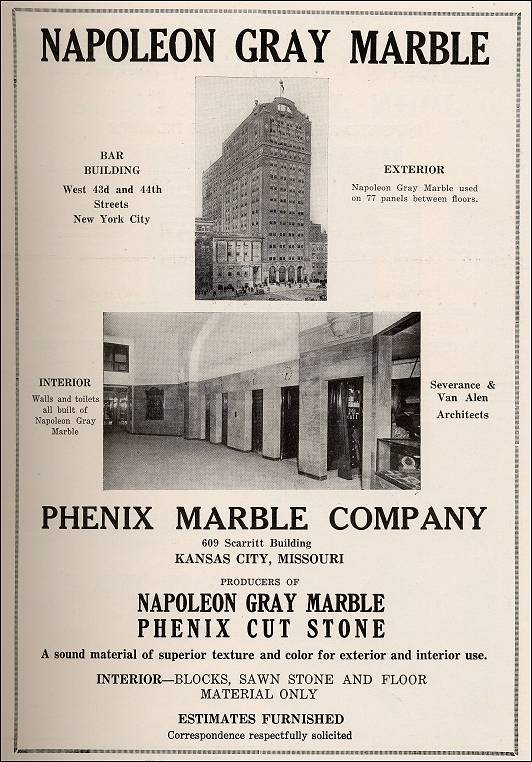
Napoleon Gray became one of its signature stones, appearing in the trading room of the New York Stock Exchange and the entrance of the Legion of Honor in San Francisco. The Depression eventually closed the quarry, and with imported European marble entering the American market after the war, Phenix remained quiet for generations.
In 2016, Springfield-based Conco Companies revived the Phenix Marble name and began cutting new blocks from the same historic quarry. The stone soon returned to prominent projects, including restoration work at the Missouri State Capitol.
Today, we stock Napoleon and Fleuri in Ottumwa. The slabs on our floor come from that reopened Missouri quarry, and we fabricate and install them right here in Iowa.
1884
Railroad construction exposes the limestone bed around the town of Phenix.
1905–1943
Hundreds employed. Hundreds of thousands of cubic feet shipped each year.
1944
Quarry equipment is requisitioned and scrapped to support the war effort.
2016
Conco revives Phenix. New blocks come off the historic ledges after decades of silence.
Same stone. Different grain. Choose the cut that fits the room.
Against the grain
The classic that made Phenix famous — brown and grey veins running with direction and presence.
Browse stocked Napoleon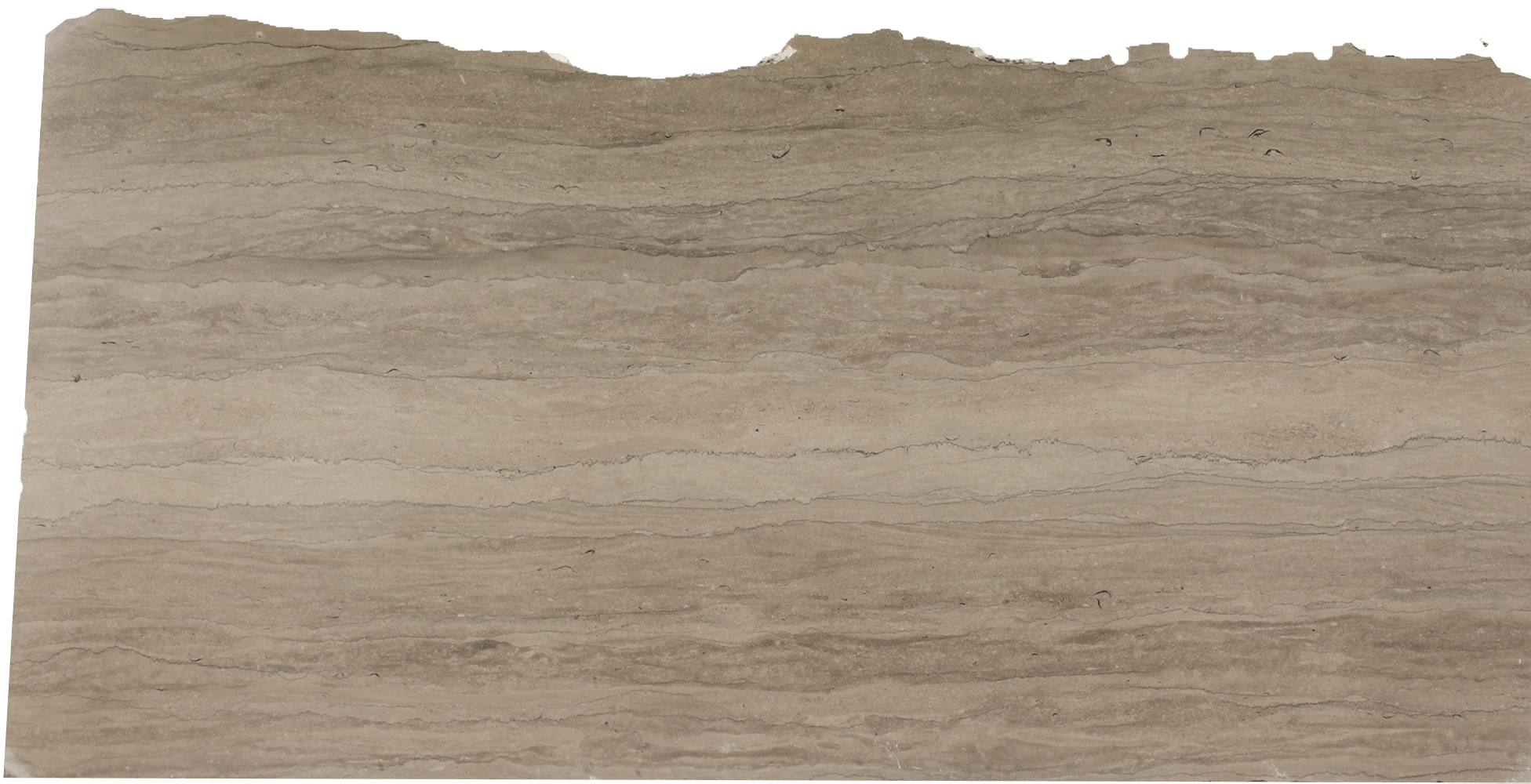
With the grain
A softer, cloud-like field. Less directional — suited to quieter surfaces and continuous runs.
Browse stocked Fleuri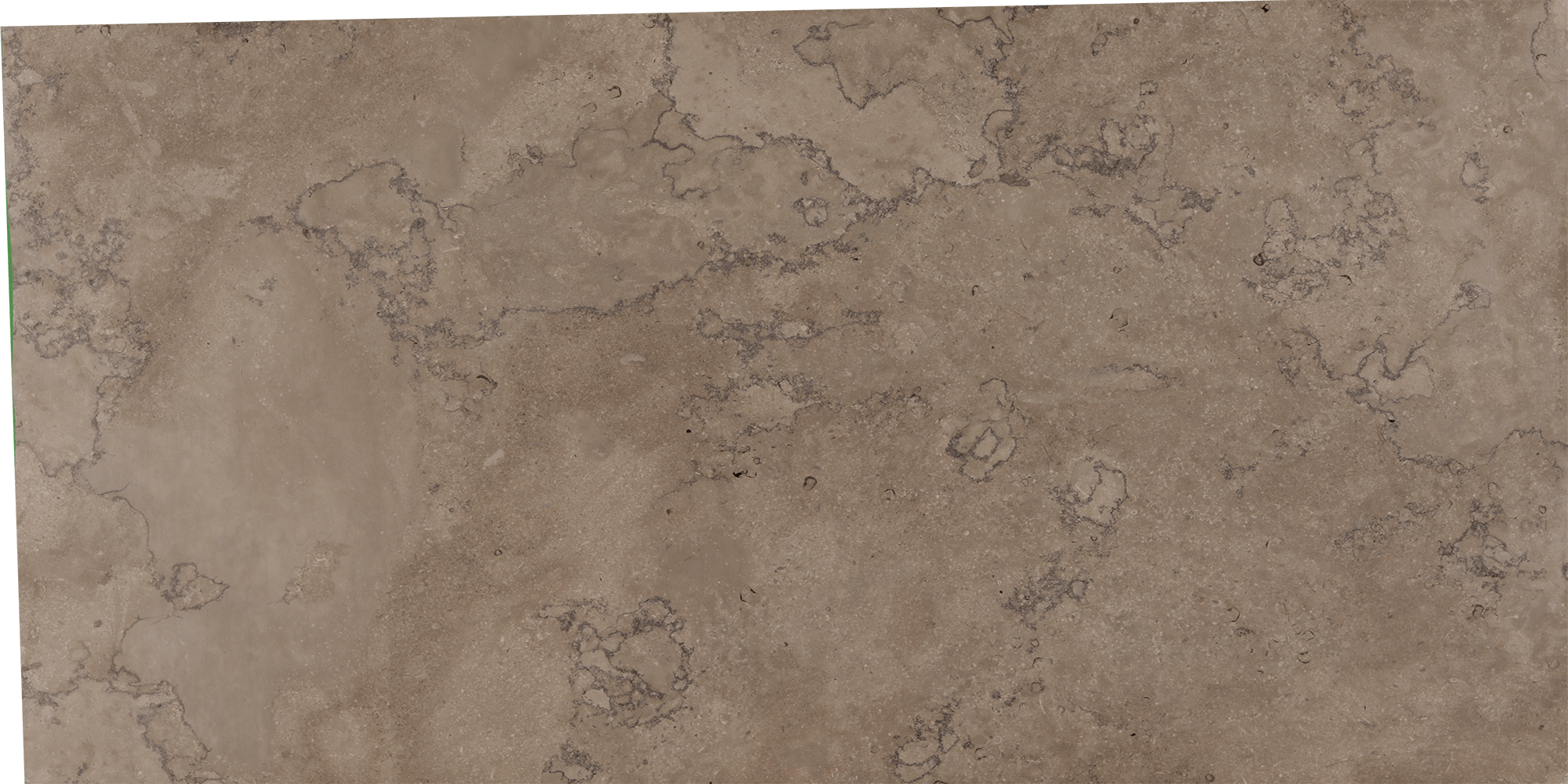
In place
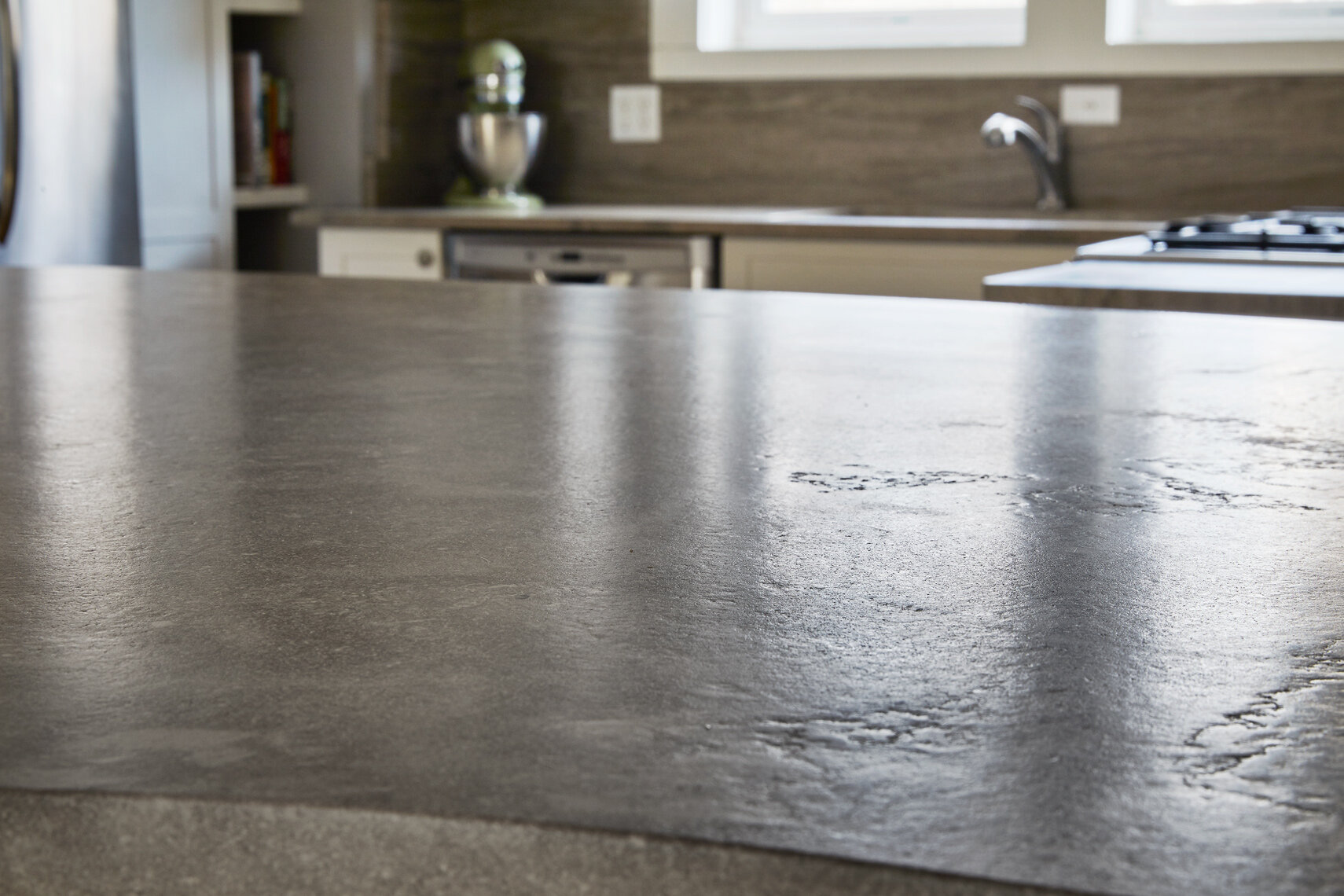
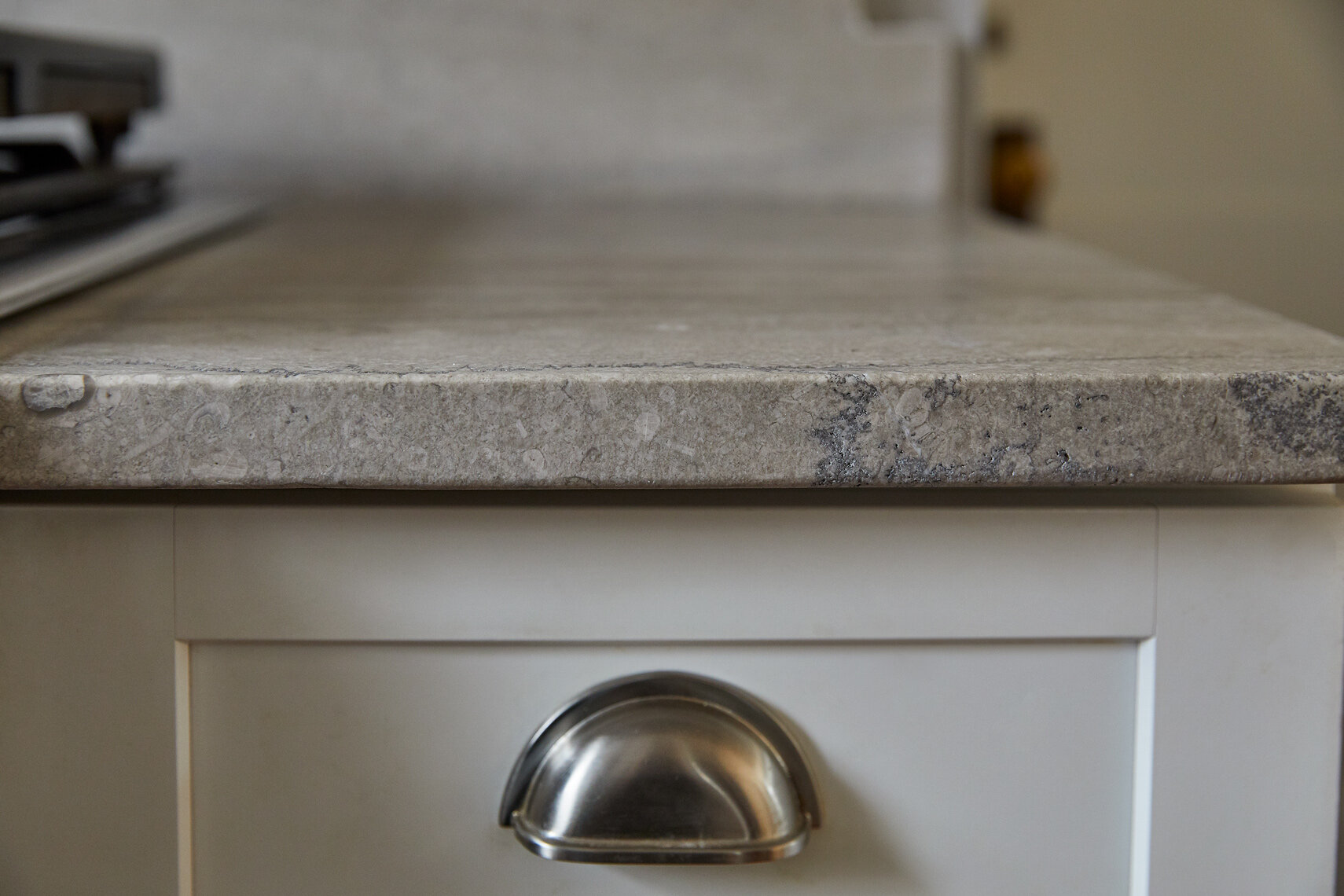
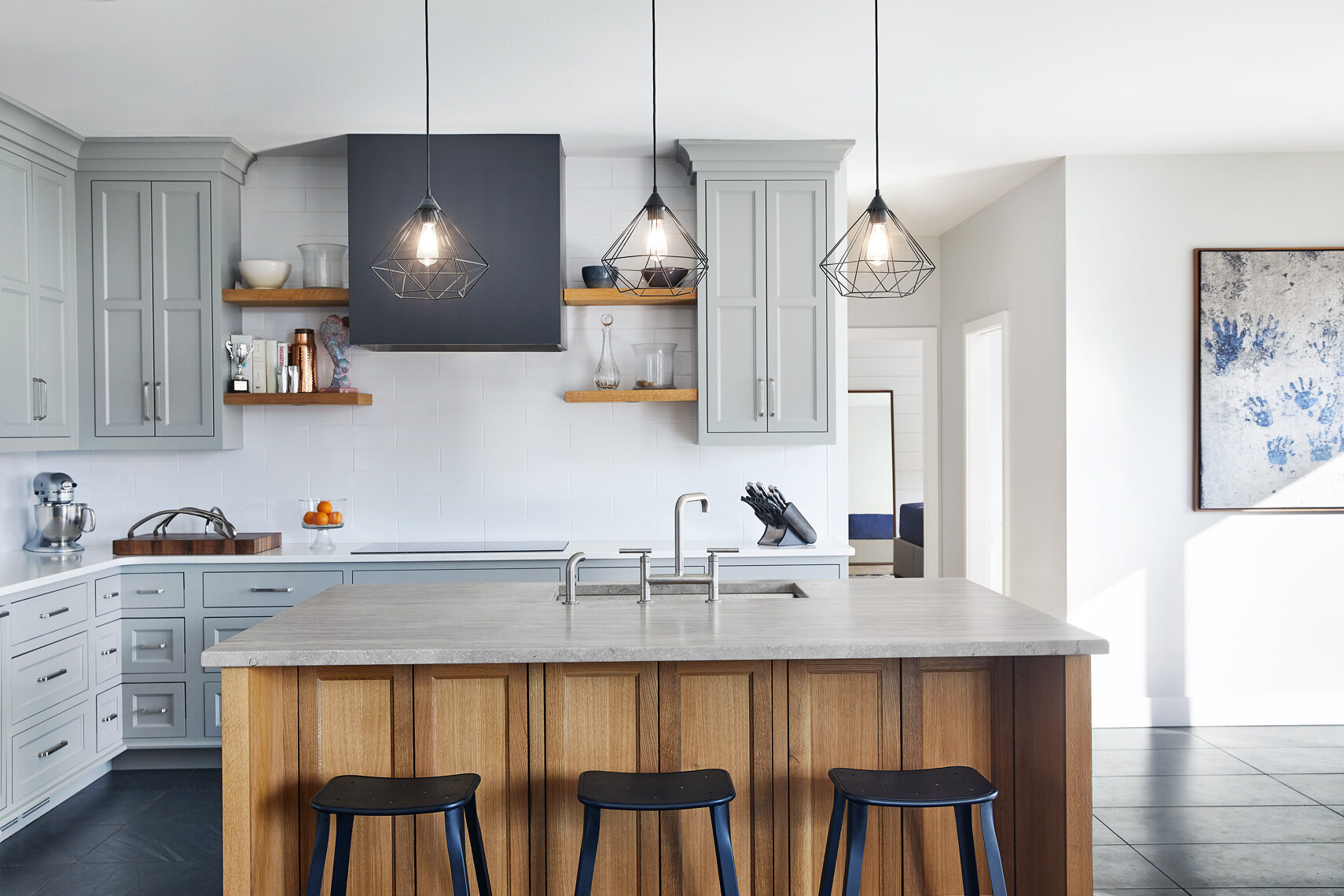
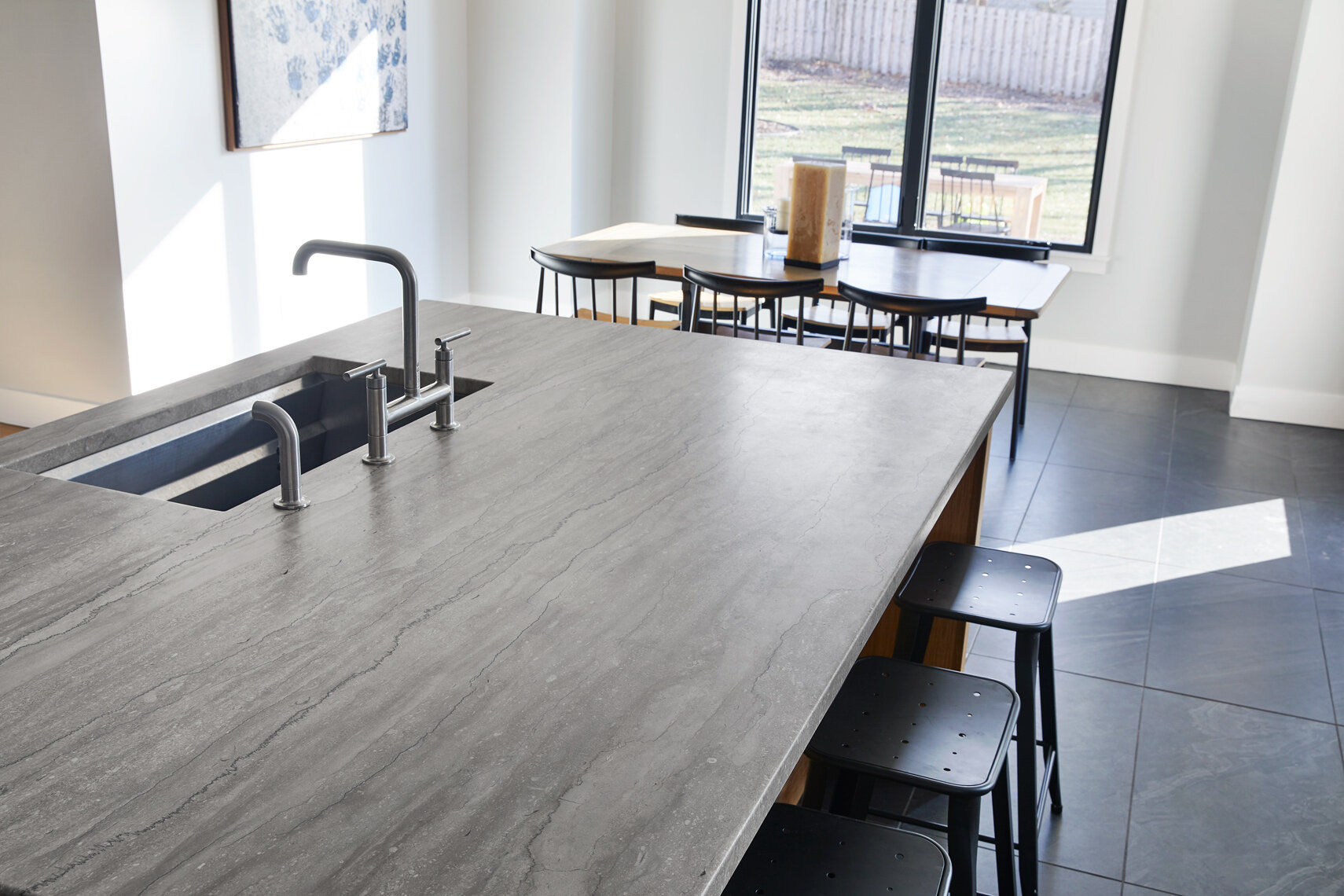
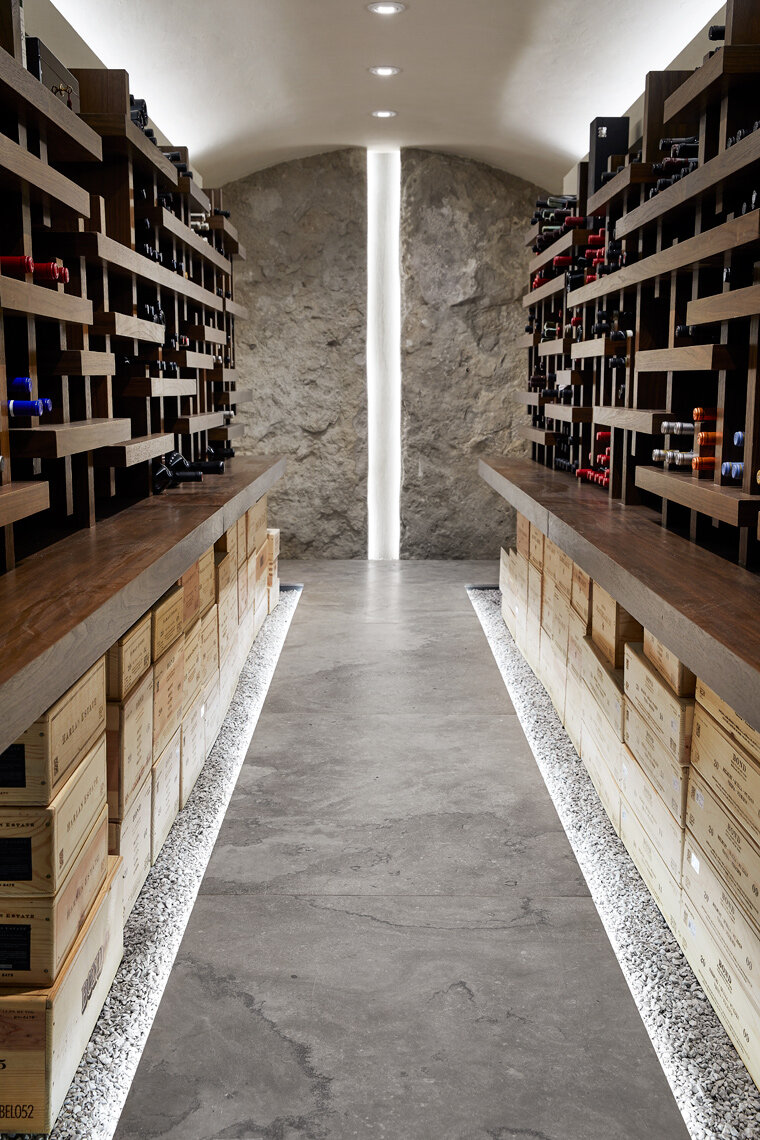
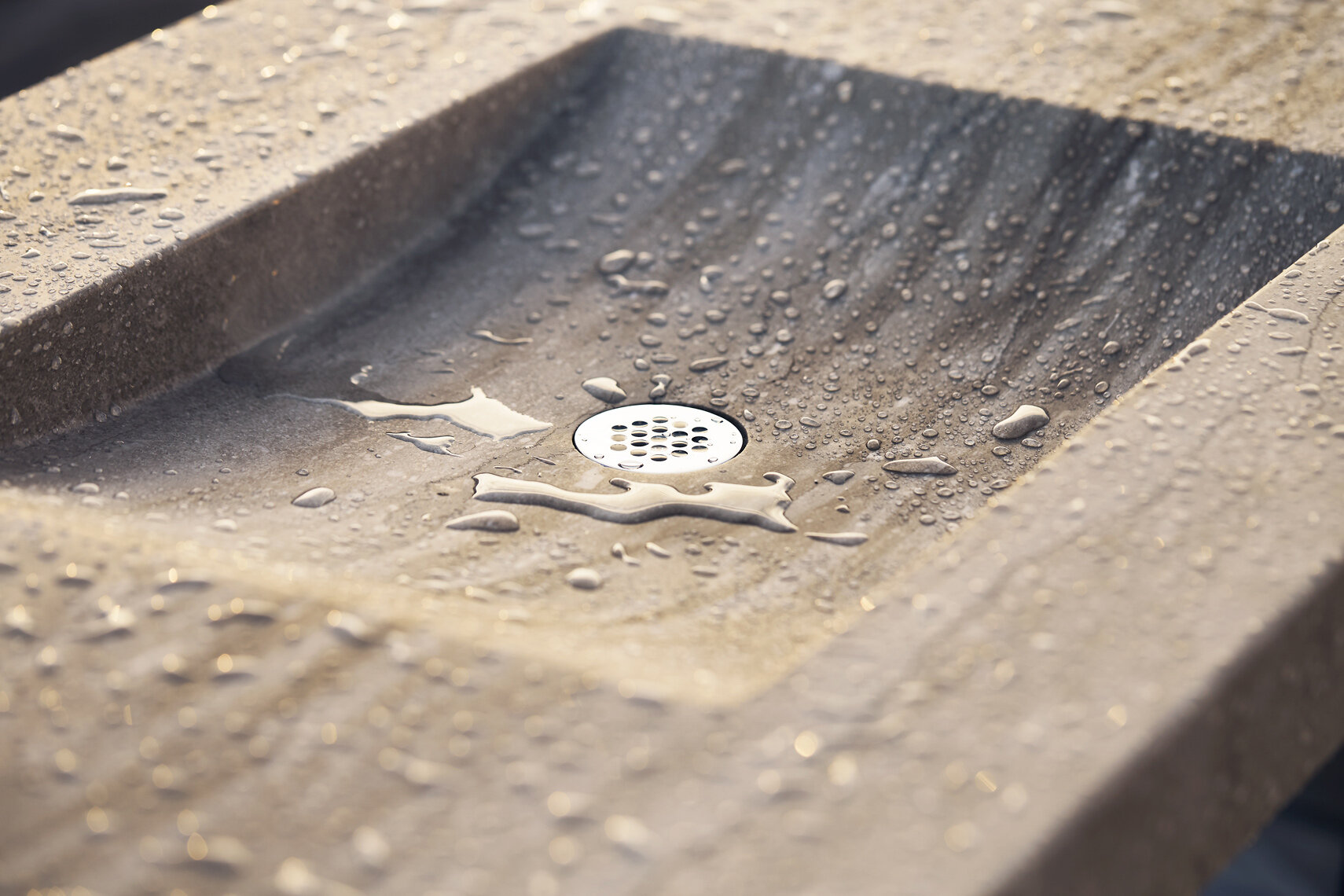
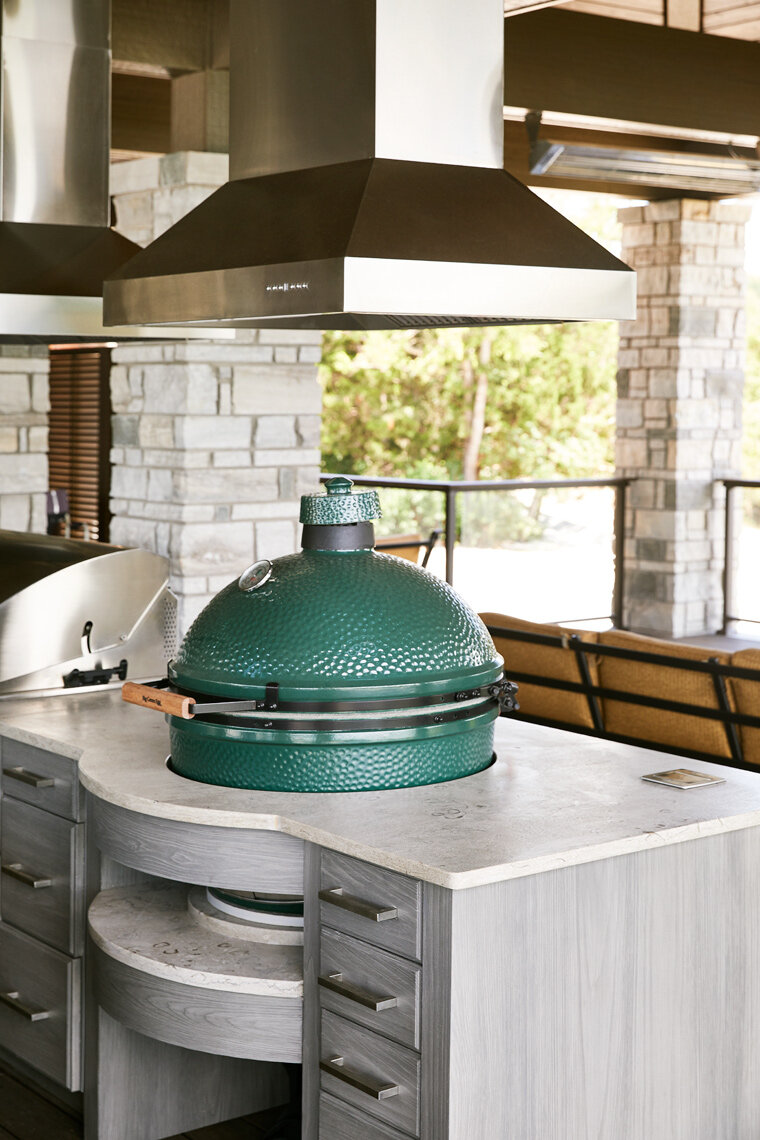
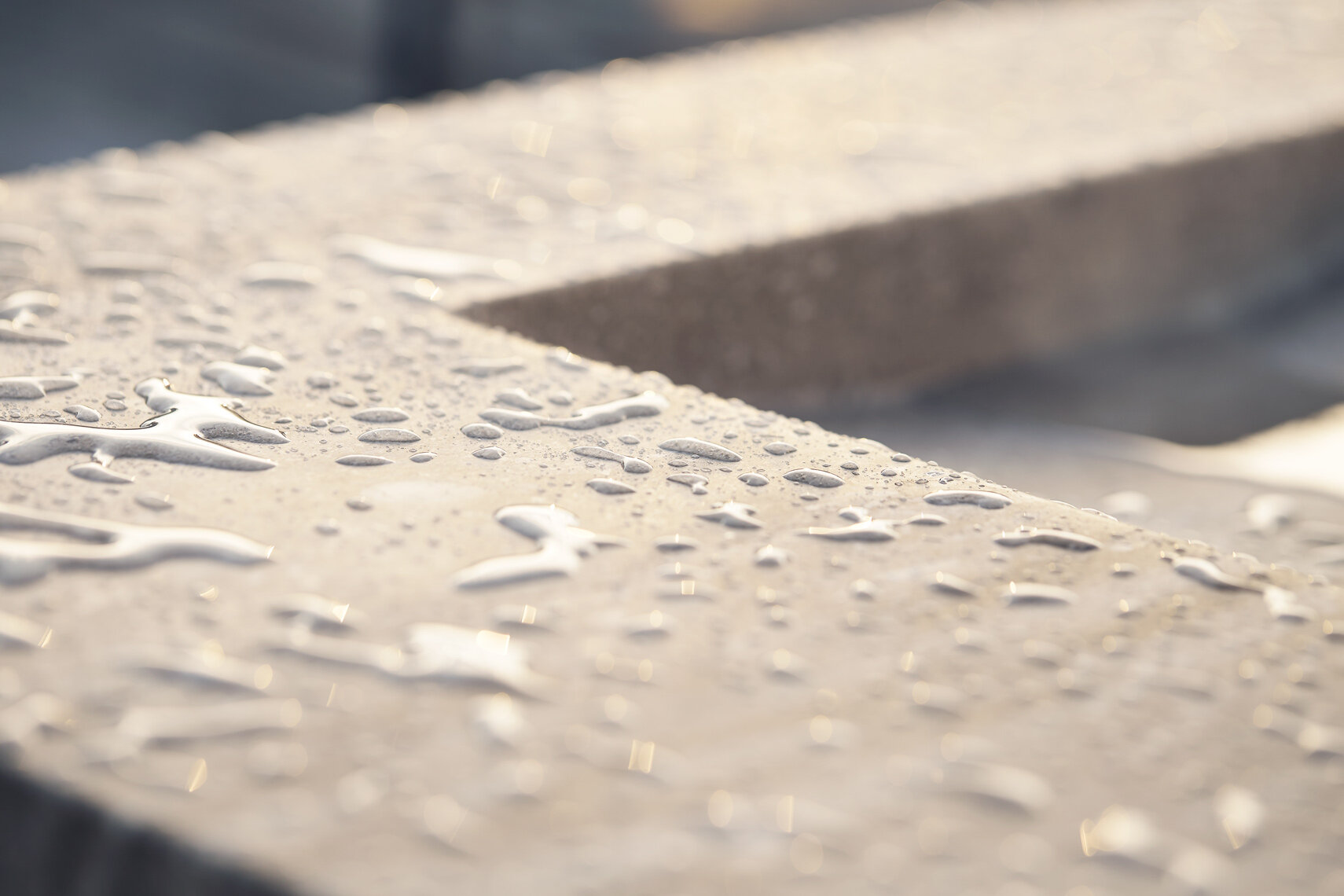
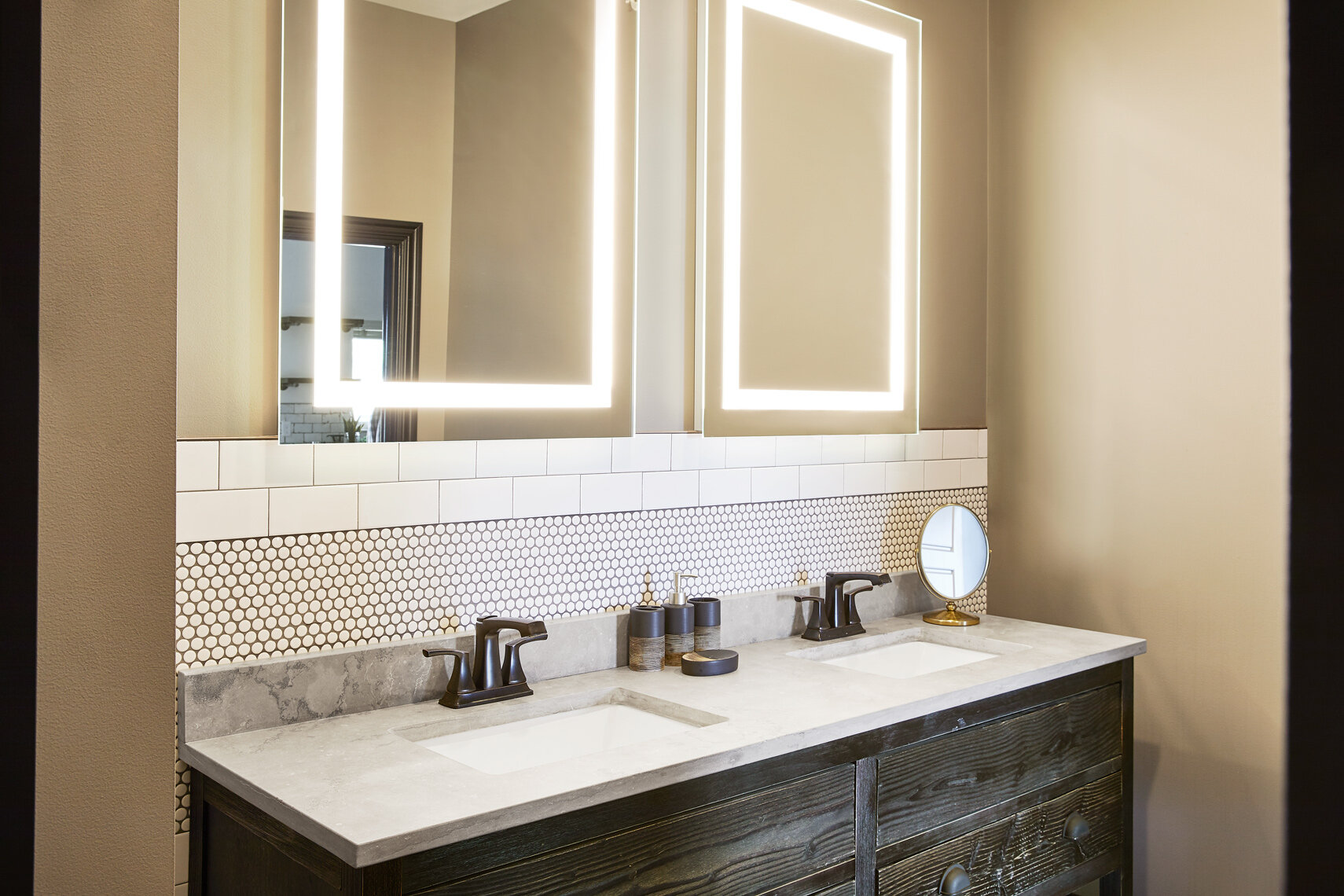
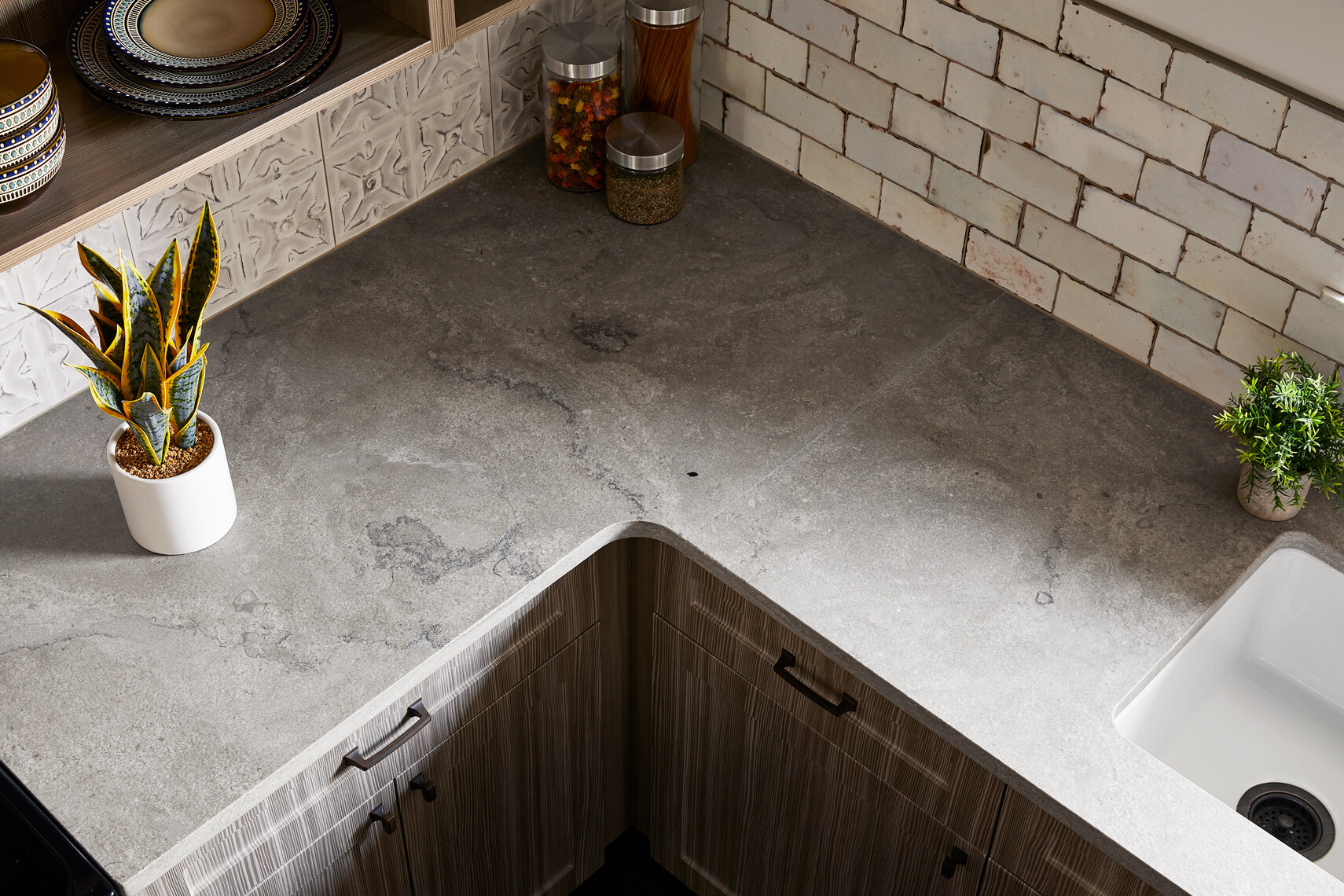
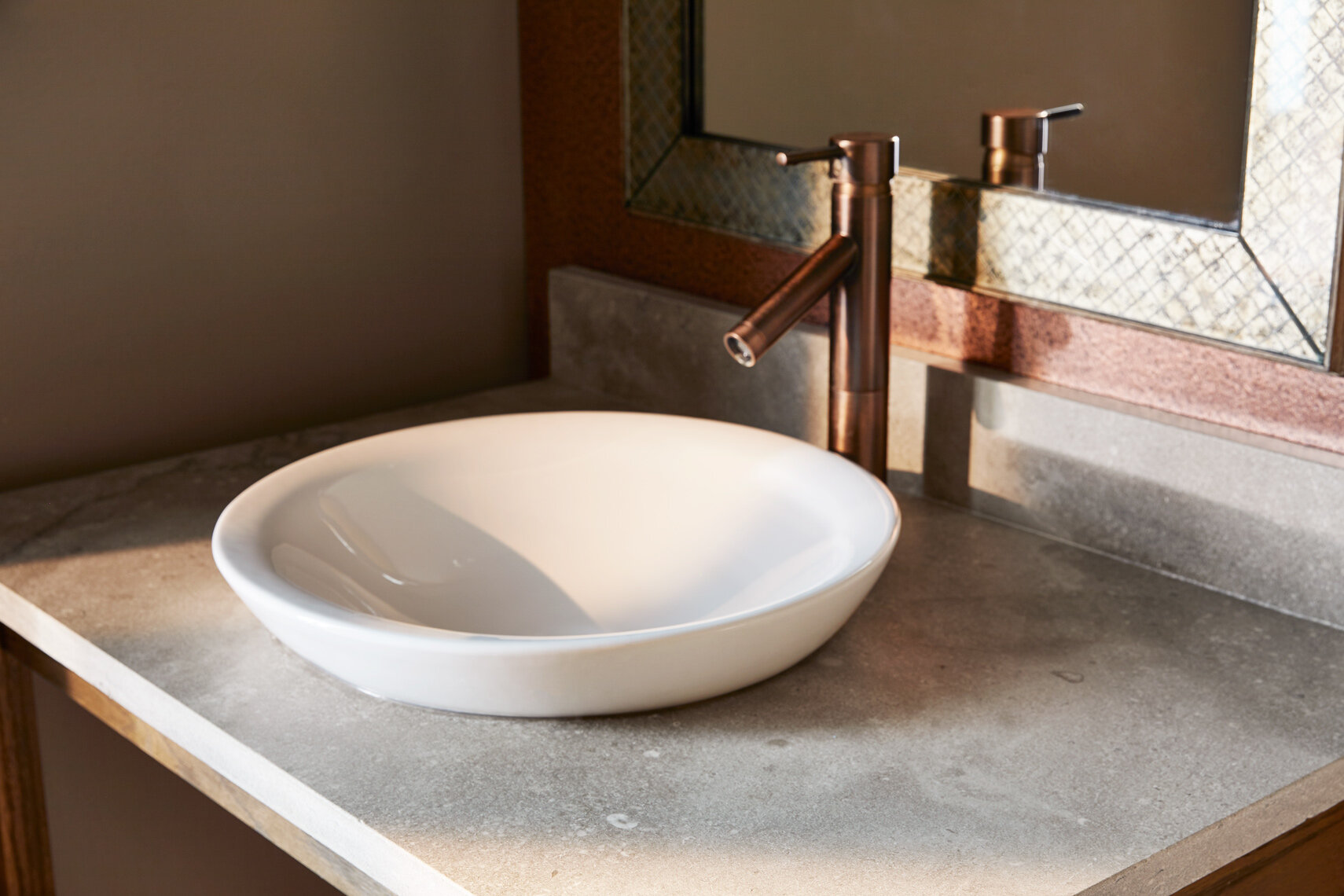
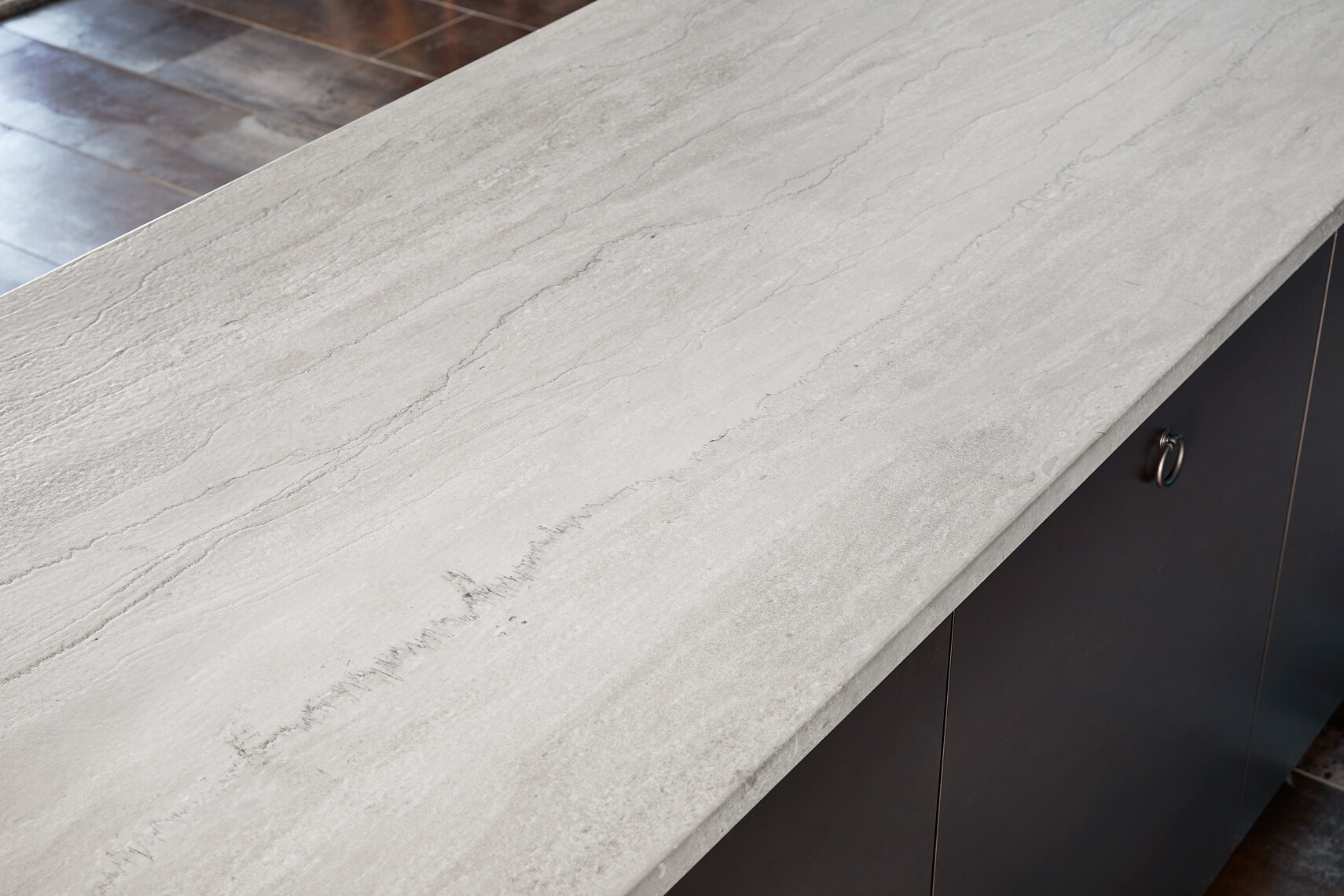
Ottumwa showroom
Full-size Phenix slabs are on display at 518 Gateway Drive. Select from inventory, then we template, fabricate, and install.